Skip to content

Western Edge | eXp Realty · Buyer education

Home Financing & New Construction Guide

Thoughtful financing starts with the right questions. Explore home, rural property, and new construction options across Northwest Colorado—Craig, Hayden, Steamboat Springs, and surrounding Moffat and Routt counties—and the Front Range communities of Monument, Colorado Springs, and Castle Rock.

01 · Before you shop

Prequalified or preapproved?

The terms are sometimes used differently by lenders. Ask what was actually reviewed, what remains conditional, and when your letter expires.

Prequalification
Usually an early estimate based on information you provide. It can help orient your budget, but may not include verified income, assets, or a full credit review.
Preapproval
Generally involves a more detailed review of credit and financial documents. It can strengthen your offer, but is still conditional—not a promise to lend. Final approval depends on underwriting, the property, appraisal, and your finances remaining acceptable through closing.

Before changing jobs, financing a vehicle, opening credit, or moving large sums of money, ask your lender how it could affect approval.

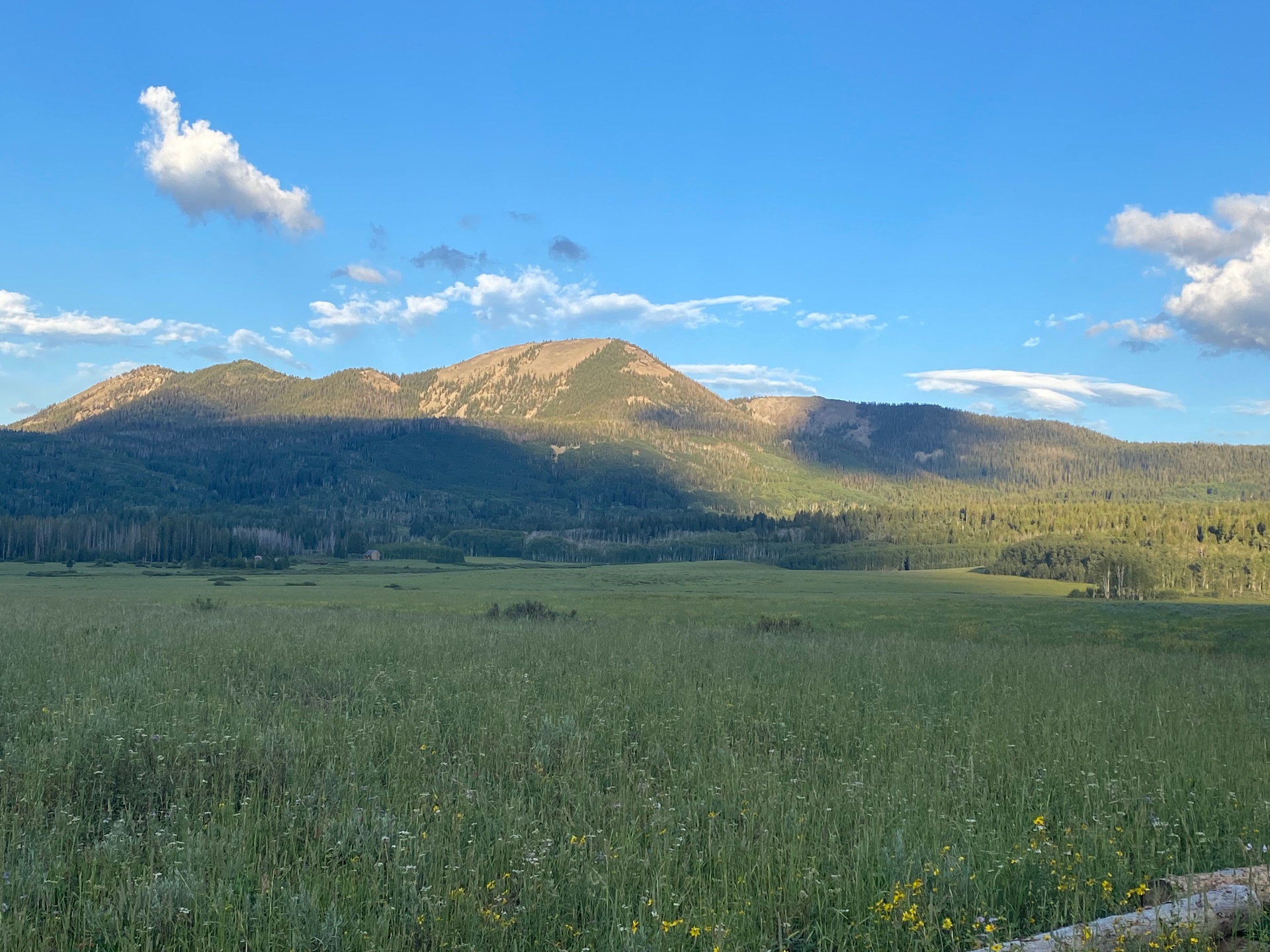
Open Colorado meadow beneath a mountain peak
Your property goals and your financing should work together—from a neighborhood home to acreage and a future build.

02 · Understand the options

Different loans. Different considerations.

Program names are a starting point—not an approval decision. A licensed lender must confirm current requirements for you and the specific property.

Conventional

Down payment, credit, debt-to-income, reserves, and property requirements vary. Some programs allow low down payments; private mortgage insurance is generally required with less than 20% down. Ask about its cost and cancellation rules. Conforming loan limits and underwriting guidelines apply; jumbo loans have different requirements.

FHA

FHA-insured loans can offer more flexible credit and down payment requirements, but approval still depends on the borrower, lender, and property. Upfront and annual mortgage insurance affect cost. County loan limits, occupancy rules, and property standards apply; a low down payment does not mean low total cost.

VA

Eligible veterans, service members, and some surviving spouses may qualify with a Certificate of Eligibility. Many VA purchase loans allow no down payment and do not require monthly mortgage insurance. A funding fee may apply unless exempt. Entitlement, appraisal, occupancy, credit, and lender requirements still matter; eligibility is not loan approval.

USDA

USDA offers separate guaranteed and direct loan programs for eligible primary residences. Eligible location, household income, repayment ability, and property standards must all be checked. Certain programs allow no down payment, but fees and closing costs can remain. Rural acreage alone does not establish eligibility; working farms and income-producing uses may not qualify for a residential program.

Colorado down payment assistance

CHFA offers home mortgage and assistance programs through participating lenders. Income and purchase-price limits, credit requirements, homebuyer education, occupancy rules, and available funding can affect eligibility. Assistance may be a grant or a repayable second mortgage depending on the program; review repayment triggers and total financing cost. Availability and terms can change, and assistance is not guaranteed.

Explore official CHFA programs (opens in a new tab)

03 · Look beyond the advertised rate

What does this home really cost?

Compare the full monthly obligation and total cash needed—not just an attractive rate or a first-year payment.

Rate & APR

The interest rate prices borrowing; APR also reflects certain finance charges. Compare the same loan type and term. APR is useful, but does not include every ownership expense.

Points & lender fees

Discount points buy a lower rate with an upfront cost. Compare origination fees, credits, and the break-even period against how long you expect to keep the loan.

Mortgage insurance

Ask about monthly and upfront insurance or program fees, how long they last, and whether they can be removed.

Taxes & insurance

Budget property taxes, homeowners insurance, HOA dues, and any special district assessments. New-build taxes may rise once the finished home is assessed; confirm with the county.

Cash to close

Include down payment, closing costs, prepaid expenses, initial escrow deposits, and credits. Confirm how earnest money already paid is applied.

A sustainable budget

Allow for utilities, maintenance, moving, repairs, and reserves. Rural homes may add well, septic, road, propane, and outbuilding costs. A lender’s maximum is not your personal spending target.

04 · Northwest Colorado & rural properties

Financing that fits the property.

In Craig, Hayden, Steamboat Springs, and surrounding Moffat and Routt counties, a neighborhood home, acreage property, manufactured home, or rural build can each bring different lending requirements. Review the specific property with your lender early—before relying on a preapproval alone.

Acreage & property use

Ask whether the lender accepts the acreage, outbuildings, and intended use. Residential financing may treat a home with acreage differently from a working ranch, agricultural business, or income-producing property. Confirm the loan product and how land and improvements will be valued before committing.

Manufactured homes

Loan and product eligibility vary for manufactured homes. Ask about the home’s age, HUD certification, permanent foundation documentation, installation, and whether the home and land are titled as real property. A leased lot or personal-property title may require different financing. Do not assume every conventional, FHA, VA, or USDA product accepts the same home or foundation.

Well & septic

Review well permits, water availability, water quality, septic permits, and system condition. Ask which tests, inspections, repairs, or documentation the lender requires, and budget ongoing maintenance. A working system alone does not establish compliance with the chosen loan program.

Private roads & legal access

Confirm recorded legal access, easements, year-round access, and any road-maintenance agreement. Understand responsibility for snow removal and repairs, and whether emergency services can reach the property. Lenders and insurers may have their own access and maintenance requirements.

Appraisal comparables

Unique homes, larger acreage, manufactured housing, and limited nearby sales can complicate the appraisal. Ask about timing, comparable-sale availability, and how unusual improvements will be treated. The contract price is not a guaranteed appraised value; retain appropriate protections and plan for a potential financing gap.

Property insurance

Obtain an insurance quote early, including coverage for the dwelling and relevant outbuildings. Wildfire exposure, distance from fire protection, roof condition, access, and property use can affect availability and premiums. Confirm lender-required coverage and any flood-insurance requirement before financing and insurance deadlines.

Land & construction lending

A land purchase, a custom build, and a completed home can require different loan products. Confirm lender and builder eligibility, land equity treatment, draw schedules, appraisal requirements, and construction-to-permanent options. Budget well or septic work, roads, utility connections, permits, and reserves; account for seasonal weather, contractor availability, and completion or rate-lock extensions.

USDA eligibility is address-specific

Neither Craig, Hayden, Steamboat Springs, nor any other named community is automatically eligible. A rural label, county, or acreage amount is not enough. Use the official USDA checker for the exact address and applicable program, then confirm household income, occupancy, property standards, and all other requirements with your lender. A map result is not a loan approval.

Check official USDA address eligibility (opens in a new tab)

05 · From spec homes to a custom build

New construction deserves a closer look.

Whether you are building in Craig, Hayden, Steamboat Springs, or surrounding Moffat and Routt counties, or buying new construction in Monument, Colorado Springs, or Castle Rock, compare the home, the contract, and the financing together. Rural builds bring an additional layer of site and infrastructure decisions.

Completed spec homes

A finished builder-owned home often uses a standard purchase mortgage rather than a construction loan. Confirm the certificate of occupancy, lender eligibility, appraisal, remaining work, warranty, and closing date. A nearly finished home can still create completion or financing conditions.

Builder contracts & preferred lenders

Builder contracts may differ substantially from resale contracts. Review deposits, upgrade payments, refundability, financing and appraisal protections, change orders, inspection access, warranty, and delay provisions before signing. Ask which incentives depend on a preferred lender or title provider and get all conditions in writing. You remain free to compare independent lender offers.

Temporary vs. permanent rate buydowns

A temporary buydown uses funded assistance to reduce your payments for an initial period; it does not permanently change the note rate. Budget the full payment when assistance ends and ask how qualification and unused funds work. A permanent buydown pays discount points to lower the rate for the loan term. Compare its upfront cost and break-even period—do not rely on a future refinance.

Builder credits & appraisal gaps

Credits may cover allowable closing costs, points, or a buydown, subject to loan-program limits and lender approval. They are not automatically cash back or a price reduction. If the appraisal comes in below the contract price, the lender may base financing on the lower value. Understand any appraisal-gap commitment, extra cash required, and cancellation or renegotiation rights before waiving protection.

Construction-to-permanent loans

A construction-to-permanent loan finances construction and then transitions to a long-term mortgage. One-close and two-close structures differ. Ask about builder approval, equity or down payment, draw inspections, interest during construction, rate locks, conversion requirements, and possible requalification. Cost overruns, delays, and a lower final appraisal may require additional funds.

Buying land & building

Land financing is often separate from a home mortgage and may require more cash or a different term. Before buying, investigate zoning, access, survey, soils, utilities, water rights or well permits, septic, wildfire exposure, and insurance. Budget site preparation, permits, utility connections, and reserves. Confirm whether land equity can count toward construction financing and whether your lender permits the proposed property use.

Deadlines & contingencies

Coordinate financing approval, appraisal, inspections, completion, occupancy, and closing deadlines. Ask who pays rate-lock extension costs, what happens if the builder is late, and whether your deposit is protected if financing fails. Avoid assuming a completion estimate is a guaranteed move-in date. Consider attorney review of unfamiliar builder contracts.

06 · A practical comparison

Builder lender or outside lender?

Example: you are buying the same completed spec home. The builder offers a conditional closing-cost credit with its preferred lender; an independent lender offers a different fee and rate structure. Neither offer wins simply because of the headline incentive.

Request official Loan Estimates from both lenders for the same scenario. Once you supply the required application information, a lender generally must provide a Loan Estimate within three business days. A marketing worksheet is not a substitute. Compare estimates issued close together and check whether each rate is actually locked.

Same purchase scenario

Builder preferred lender: Use the same price, down payment, loan amount, program, term, and expected closing date.

Independent lender: Use the same assumptions; request an estimate close in time to the builder lender’s.

Rate, points & lock

Builder preferred lender: Identify the note rate, points, lock expiration, and any temporary payment subsidy separately.

Independent lender: Identify the note rate, points, lock expiration, and extension costs on the same basis.

Fees & incentive

Builder preferred lender: Separate lender fees from the builder credit. Confirm eligible uses, limits, and preferred-lender conditions in writing.

Independent lender: Check origination fees and lender credits. Confirm which builder incentives, if any, remain available.

Payment over time

Builder preferred lender: Compare principal, interest, mortgage insurance, and escrow—both during and after any temporary buydown.

Independent lender: Compare those same costs, not just the advertised monthly payment.

Cash & longer-term cost

Builder preferred lender: Review estimated cash to close and the Loan Estimate’s five-year comparison. Account for conditional credits and point costs.

Independent lender: Review the same figures and ownership horizon; a smaller incentive may still come with lower borrowing costs.

Decision example: the builder offer may require less cash at closing, while the outside offer may cost less over the years you expect to own the home. Ask both lenders to explain that trade-off in writing. If the builder advertises a temporary buydown, compare the payment after it expires, not only the initial payment. This example uses no assumed current rates, incentive amounts, or guaranteed savings.

07 · Go to the source

Official educational resources

These are public educational resources, not specific recommended lenders or endorsements. Check the official sites and a licensed lender for current program details.

Lender Connections

Lender names and links will be added only after Kitsey reviews and supplies them. No lender is listed or endorsed here yet. You may choose any lender and compare independent offers.

Placeholder · Awaiting Kitsey-approved name and link

Home purchase financing

No lender link available.

Placeholder · Awaiting Kitsey-approved name and link

New construction & rural financing

No lender link available.

Connect With Our Team

Kitsey and Caylie are real estate agents, not lenders. They help you navigate property selection, purchase contracts, and builder incentives, and connect you with independent licensed mortgage lenders who can advise you on financing.

  • Western Edge is a real estate team at eXp Realty. Agents provide property and transaction guidance; they do not originate loans. Licensed lenders handle loan terms, underwriting, and approval.
  • No lender is required. Compare independent offers and choose the lender that fits your needs.
  • This guide is educational, not individualized lending, legal, or tax advice. Loan approval, program eligibility, rates, incentives, and closing dates are never guaranteed.

The contact form may be unavailable while email delivery is being resolved. For a direct inquiry, email kitsey.behrman@exprealty.com. No financing application or new form is collected on this page.